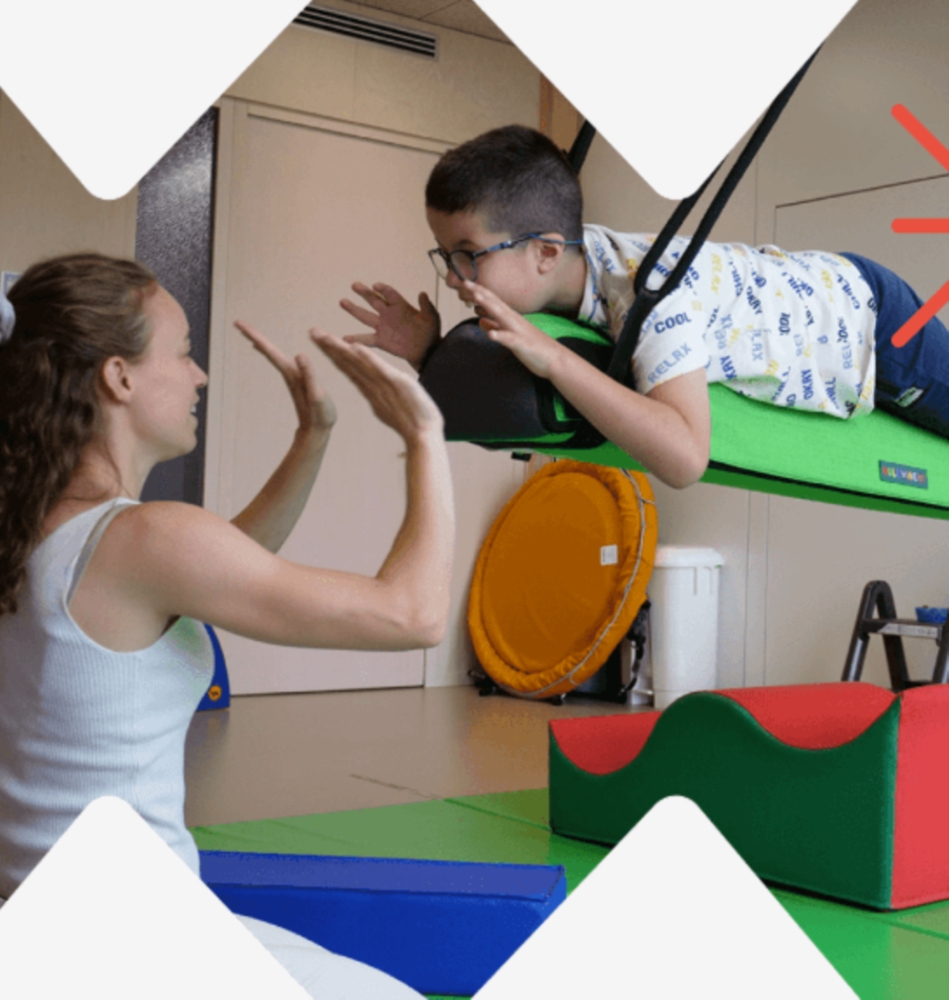






The CDI provides support services for children and young people with permanent intellectual developmental disorders.
A permanent intellectual developmental disorder is characterized by:
- a deficit in intellectual functions, which may affect language, reading, numeracy, understanding of rules, and personal care autonomy;
- a deficit in adaptive functioning in daily life activities (communication, social participation, independence, etc.).
The diagnosis of intellectual disability is based on both clinical evaluation and standardized testing.
The CDI is intended for children and young people with special educational needs, beyond compulsory schooling age, who present, according to international classifications, a halted or incomplete development of mental functioning. This is mainly characterized by impairments, occurring during the developmental period, in abilities that determine overall intelligence, namely cognitive functions, language, motor skills, and social abilities (ICD-10).
The causes of intellectual developmental delay are varied: chromosomal abnormalities, genetic diseases, neurological disorders, life accidents, etc. Whatever the cause, the person has a permanent intellectual disability. They may therefore require appropriate support and guidance to develop independence, individual abilities, and social interactions in various environments such as home, school, work, and the community.