The Principles of Pilates – The Foundation of Every Movement
The Principles of Pilates – The Foundation of Every Movement
By Sabrina Stahelin
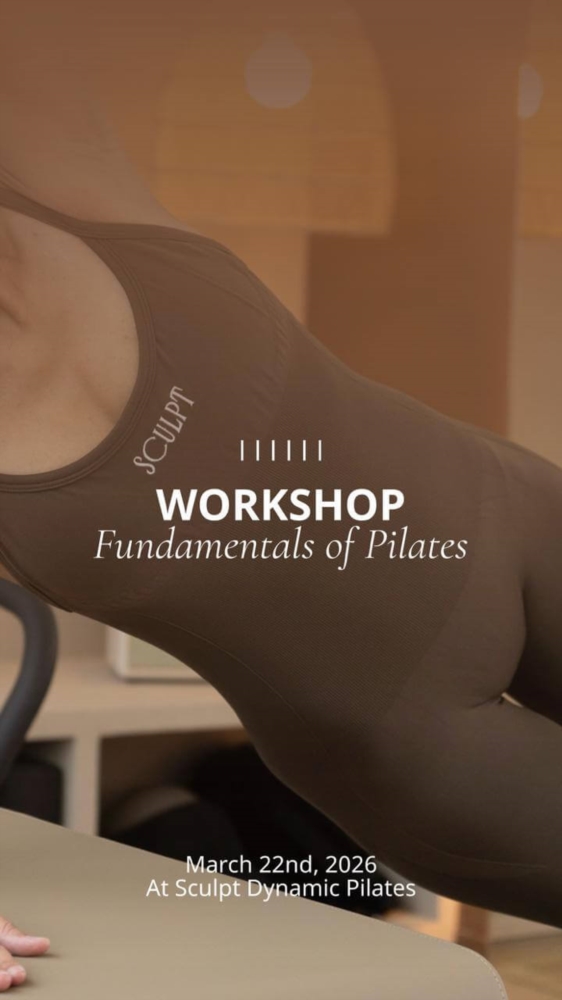
At the heart of the Fundamentals of Pilates Workshop lies a deep exploration of the principles that define the method created by Joseph Pilates. These principles are not just concepts — they are the foundation that transforms simple exercises into an intelligent, effective, and mindful practice.
Understanding and applying these principles is what allows Pilates to deliver lasting results, improving not only strength and flexibility but also posture, control, and overall well-being.
Breathing
Breathing in Pilates is intentional and precise. The method uses lateral rib cage breathing, encouraging expansion through the sides of the ribs rather than lifting the chest.
This technique supports core engagement, improves oxygen flow, and helps reduce unnecessary tension. When applied correctly, breathing becomes the rhythm that guides every movement.
Center (Core Engagement)
Often referred to as the “powerhouse,” the center includes the abdominals, lower back, hips, and pelvic floor.
All movement in Pilates originates from this area. Learning how to properly engage the core provides stability, protects the spine, and creates a strong foundation for efficient and controlled movement.
Control
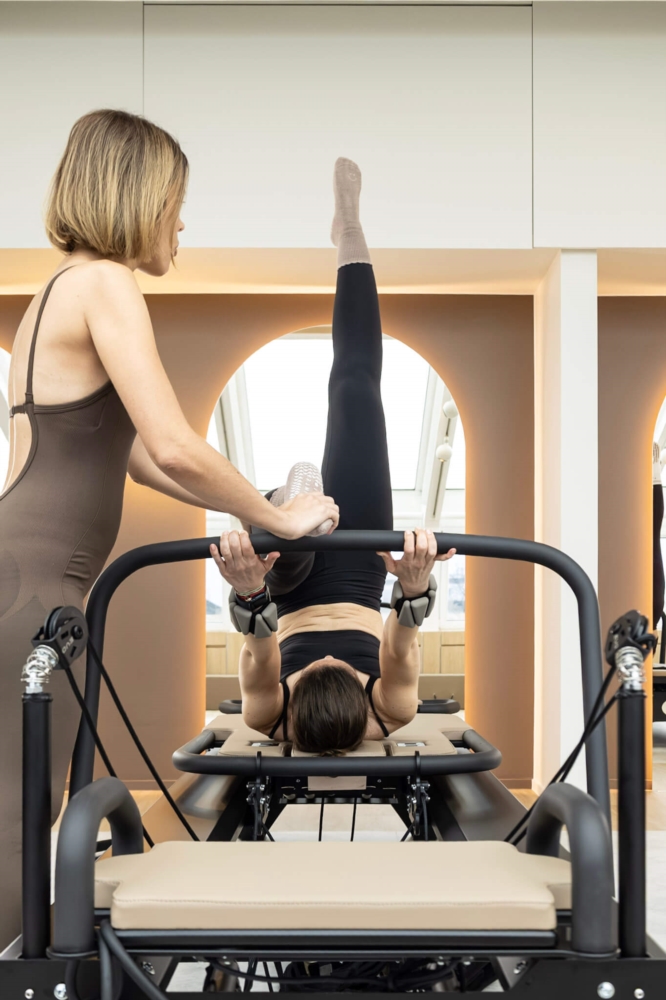
Control is essential in every exercise. Rather than relying on momentum, Pilates emphasizes slow, deliberate movements where each muscle is consciously activated.
This approach reduces the risk of injury and ensures that the correct muscles are working, leading to more effective and balanced strength development.
Concentration
Pilates is as much a mental practice as it is physical. Concentration requires full attention to each movement, breath, and alignment.
By staying focused, practitioners develop a stronger mind-body connection, improving coordination, awareness, and overall movement quality.
Precision
In Pilates, quality always comes before quantity. Precision means executing each movement with accuracy and proper alignment.
Small adjustments can make a significant difference, ensuring that the right muscles are activated and that the body moves efficiently and safely.
Flow
Flow brings all the principles together. Movements are performed with smooth, continuous transitions, creating a sense of rhythm and control.
This fluidity enhances coordination, maintains energy throughout the practice, and allows the body to move with ease and efficiency.
Beyond the Core Principles
While these six principles form the foundation, the workshop also introduces additional concepts such as alignment, stability, mobility, and body awareness. These evolving principles deepen the practice and reflect the modern development of Pilates.
Why These Principles Matter
The true value of Pilates lies not in the exercises themselves, but in how they are performed.
By applying these principles, participants learn to move with greater awareness, improve posture, prevent injury, and build strength in a balanced and sustainable way.
About the Author
This content is written by Sabrina Stahelin, Master Pilates Mentor with expertise in Pilates Rehabilitation (Polestar Academy), holding a Bachelor’s degree in Physiotherapy and bringing over 20 years of experience in movement, rehabilitation, and performance training. Her approach combines clinical knowledge with precision-based Pilates to deliver safe, intelligent, and highly effective movement practices.